Why all eyes are on Newcomen Street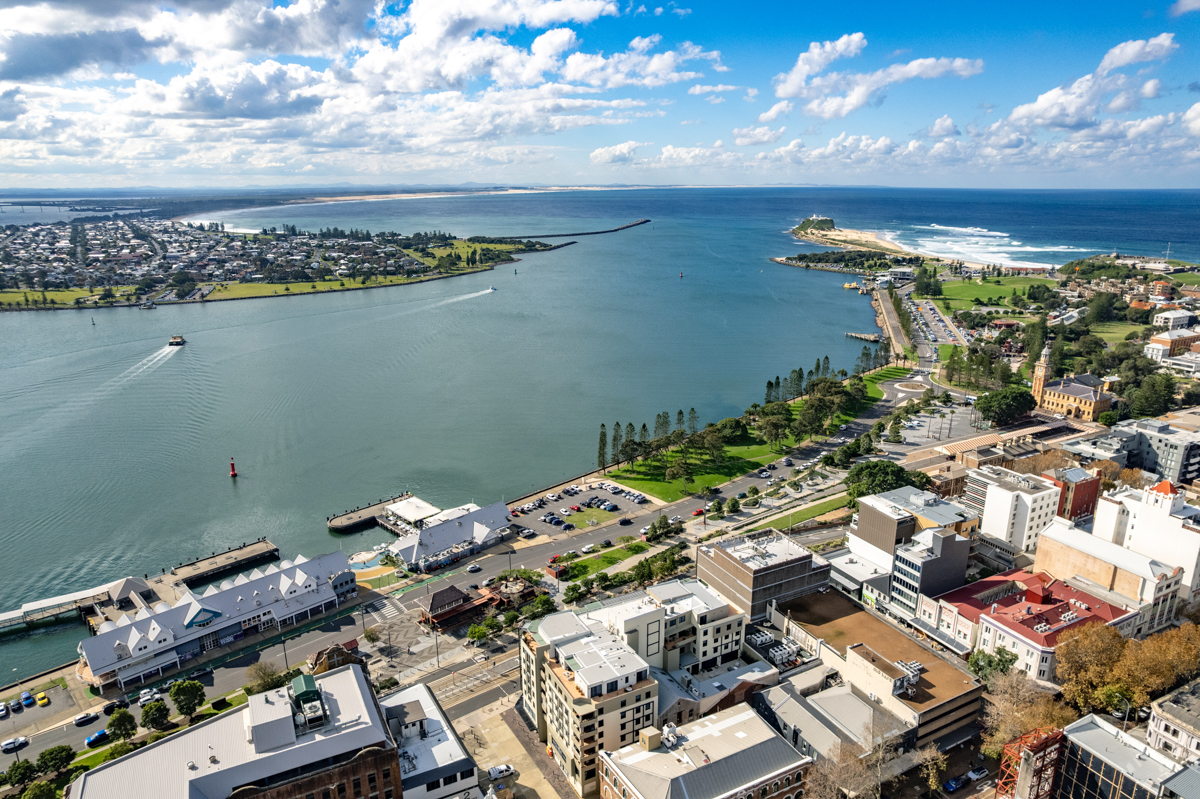
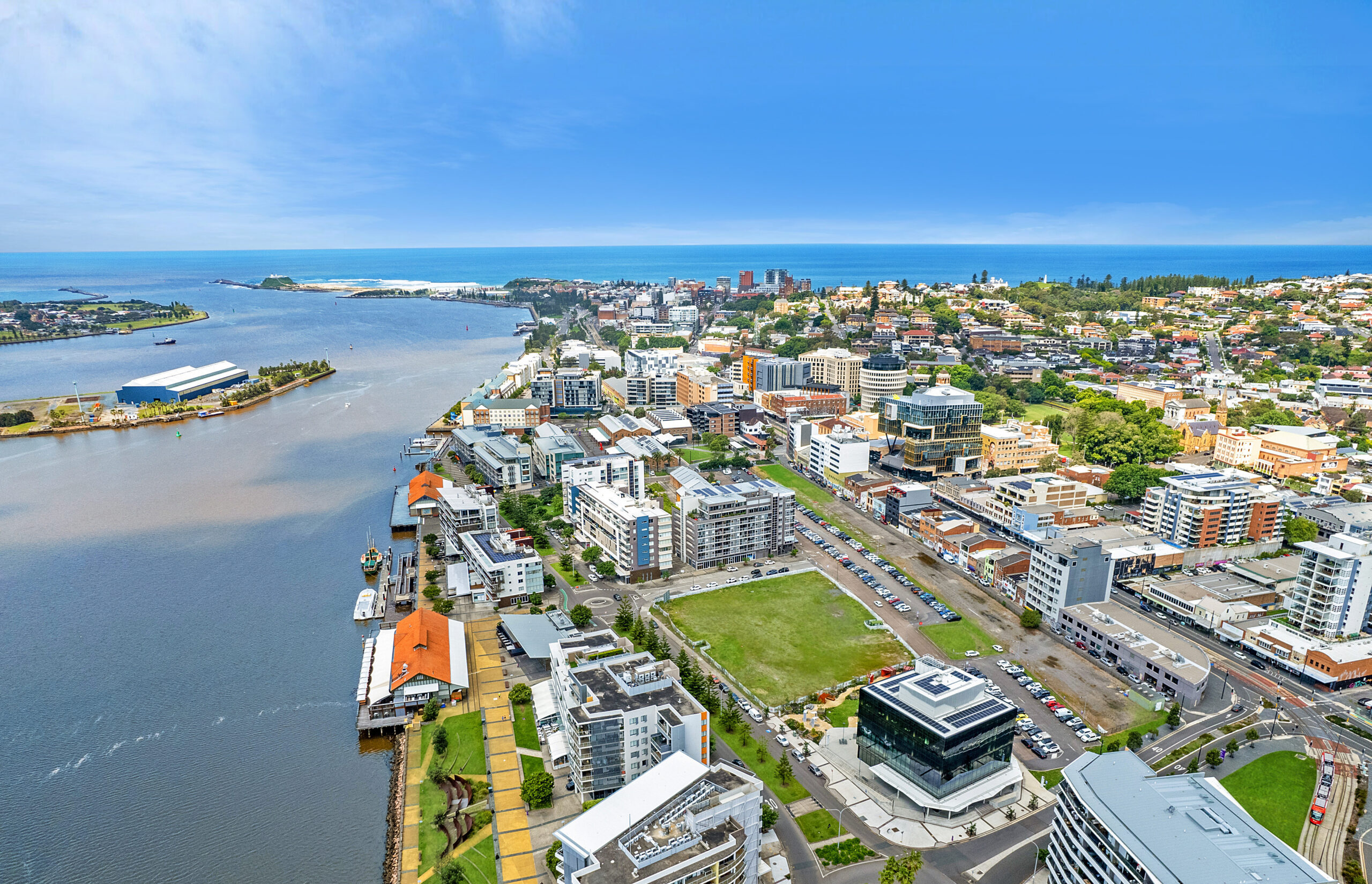
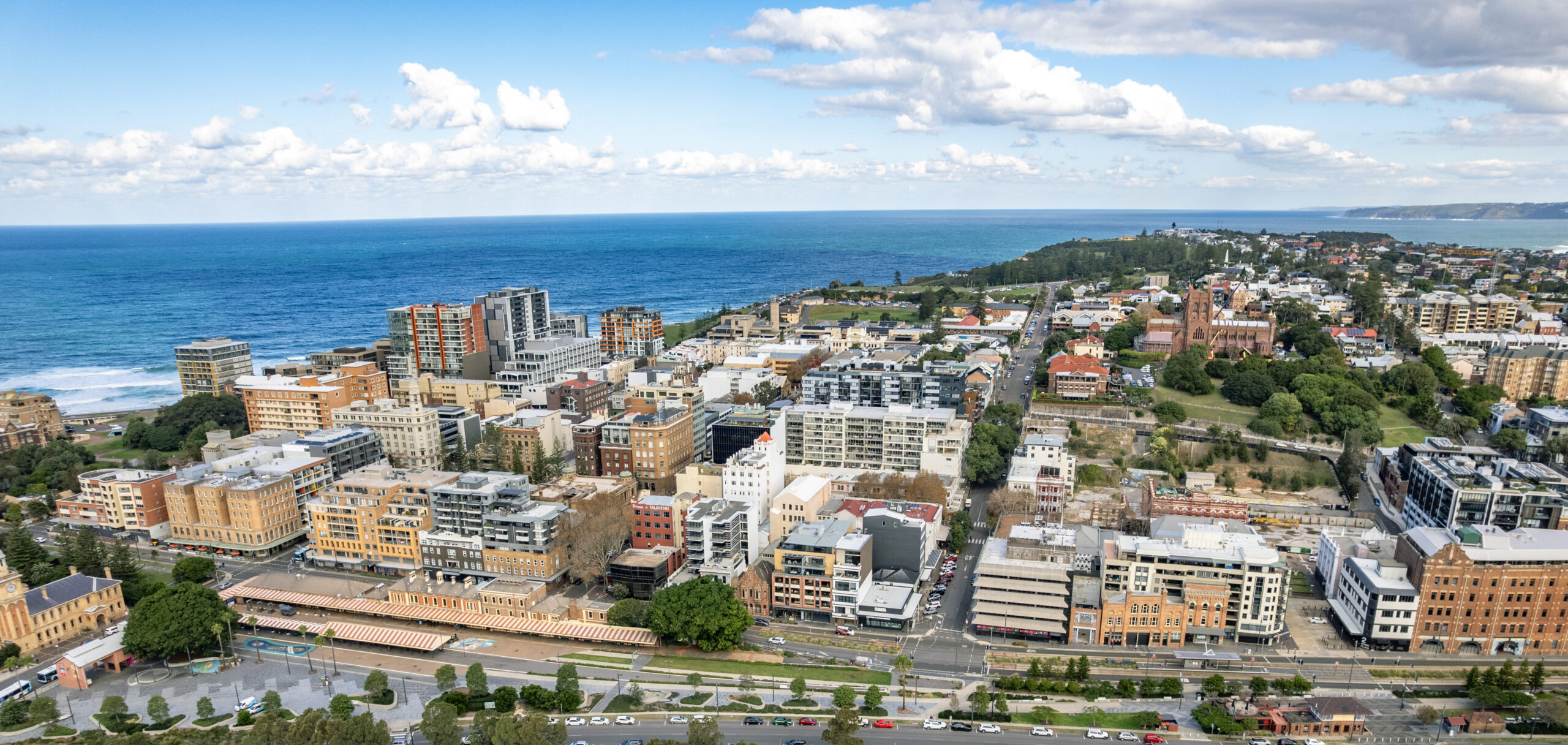
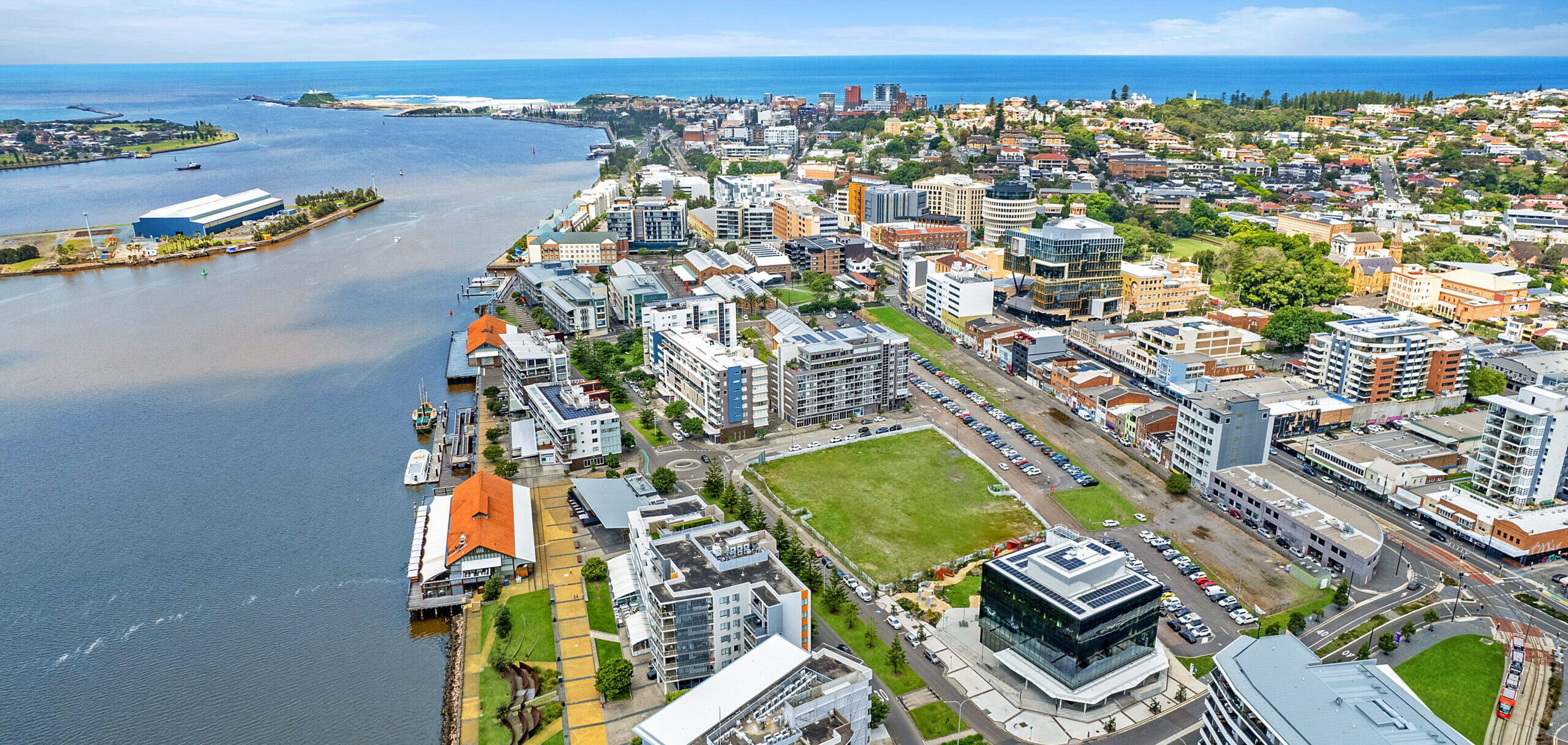
Newcastle’s East End has been one of Australia’s most compelling urban renewal stories over the past decade. Once characterised by heritage and traditional commercial buildings, the precinct has evolved into a vibrant mixed-use destination where premium residential, hospitality, retail and commercial assets converge.
At the centre of this transformation sits Newcomen Street.
Connecting the city centre with Newcastle Harbour, the light rail and some of the city’s most recognisable destinations, Newcomen Street has become one of the most tightly held commercial strips in the CBD.
While assets within this mixed-use hub rarely come to market simultaneously, the current offering of development, investment and leasing opportunities reflects the continued evolution of Newcomen Street and growing confidence in Newcastle’s East End.
A unique market offering The current collection of properties showcases the breadth of opportunities available within the precinct, spanning landmark development sites, established mixed-use investments and premium office accommodation. Together, they provide developers, investors and occupiers with exposure to one of Newcastle’s strongest performing commercial markets.
A landmark development opportunity Leading the market is one of the most significant development opportunities to be offered in Newcastle in recent years.
The consolidated site at 136 Hunter Street, 6 Newcomen Street and 151 Scott Street represents a once-in-a-generation opportunity to reshape part of Newcastle’s East End.
Spanning more than approximately 2,000sqm across three titles, the property occupies a prominent position with three street frontages and uninterrupted harbour views towards Nobbys Headland. With MU1 Mixed Use zoning, a 3:1 floor space ratio and the potential for additional planning uplift through the Housing Delivery Authority pathway, the site offers exceptional flexibility for future development.
The property is well suited to a range of potential outcomes, including luxury residential apartments, seniors living, premium hotel accommodation or a mixed-use development incorporating commercial, retail and residential uses.
Importantly, the site also generates substantial holding income, with the majority supported by ASX and Tokyo Stock Exchange listed tenants, providing investors with flexibility to landbank or stage future development.
As Newcastle’s premium apartment market continues to mature, with luxury residences achieving benchmark pricing and increasing demand from downsizers and lifestyle buyers, opportunities of this scale have become exceptionally scarce.
An established mixed-use investment Just metres away, 3-5 Newcomen Street presents an entry-level investment opportunity, highlighting ongoing demand for mixed-use assets within the East End.
Comprising two fully leased ground floor commercial tenancies and two fully leased residential apartments above, the property delivers diversified income streams, while providing long-term flexibility for investors or future owner-occupiers.
Positioned adjacent to the East End redevelopment and surrounded by Newcastle’s thriving hospitality, retail and waterfront amenity, the asset reflects the type of investment increasingly sought by buyers looking for stable income within a tightly held CBD location.
The combination of commercial activation at street level and residential accommodation above also reflects the planning direction that continues to shape Newcastle’s city centre.
Quality office accommodation in a premium location The current leasing opportunity at Level 4, 7 Newcomen Street highlights the continued demand for well-positioned office space within the East End.
The office suite of approximately 122sqm offers genuine harbour views, excellent natural light and a functional layout including reception, private offices and kitchenette facilities.
For professional services businesses, boutique firms and consultancy groups, the opportunity combines a premium city address with immediate access to Newcastle’s restaurants, cafés, public transport and waterfront.
As businesses increasingly prioritise workplace amenity and employee experience, East End office accommodation continues to attract occupiers seeking more than a traditional CBD office environment.
Investment continues to transform the precinct The strength of Newcomen Street extends well beyond the individual properties currently available. Significant public and private investment continue to reshape the surrounding precinct.
The East End public domain upgrades have transformed nearby streets through widened footpaths, improved landscaping, outdoor dining areas, enhanced lighting and stronger pedestrian connections. Future stages of these works will continue along Newcomen Street, further improving the streetscape.
At the same time, major private developments continue to deliver new residential apartments, hospitality venues, retail offerings and commercial spaces throughout the surrounding blocks. These projects are bringing hundreds of additional residents into the city centre, supporting local businesses, while creating stronger demand for commercial accommodation and services.
The completion of Newcastle Light Rail, ongoing waterfront activation and the continued growth of the city’s night-time economy have further strengthened the East End’s position as one of regional Australia’s premier mixed-use precincts.
A market supported by long-term fundamentals Newcastle’s commercial property market continues to benefit from several structural drivers that underpin long-term investor confidence.
These include:
- Continued population growth within the city centre
- Increasing residential density through premium apartment developments
- Sustained public infrastructure investment
- A thriving hospitality and tourism sector
- Improved transport connectivity through light rail and walkable city planning
- Limited supply of premium commercial assets within the East End
Together, these factors continue to support demand from investors, developers, owner-occupiers and institutional capital seeking exposure to Newcastle’s evolving CBD.
Looking ahead Urban renewal is rarely defined by a single project. It is the growing impact of strategic planning, infrastructure investment and private development that reshapes a city.
Newcomen Street represents exactly that.
From one of Newcastle’s most significant development opportunities at 136 Hunter Street, 6 Newcomen Street and 151 Scott Street, to established mixed-use investments at 3-5 Newcomen Street and quality office accommodation at Level 4, 7 Newcomen Street, the current market showcases the breadth of opportunity available within a single, tightly held precinct.
For developers, investors and occupiers alike, Newcomen Street is a reflection of Newcastle’s continued evolution into a sophisticated, high-performing regional city, with the East End firmly established as one of its most desirable commercial and lifestyle destinations.