What can Newcastle’s transformation tell us about the Central Coast?
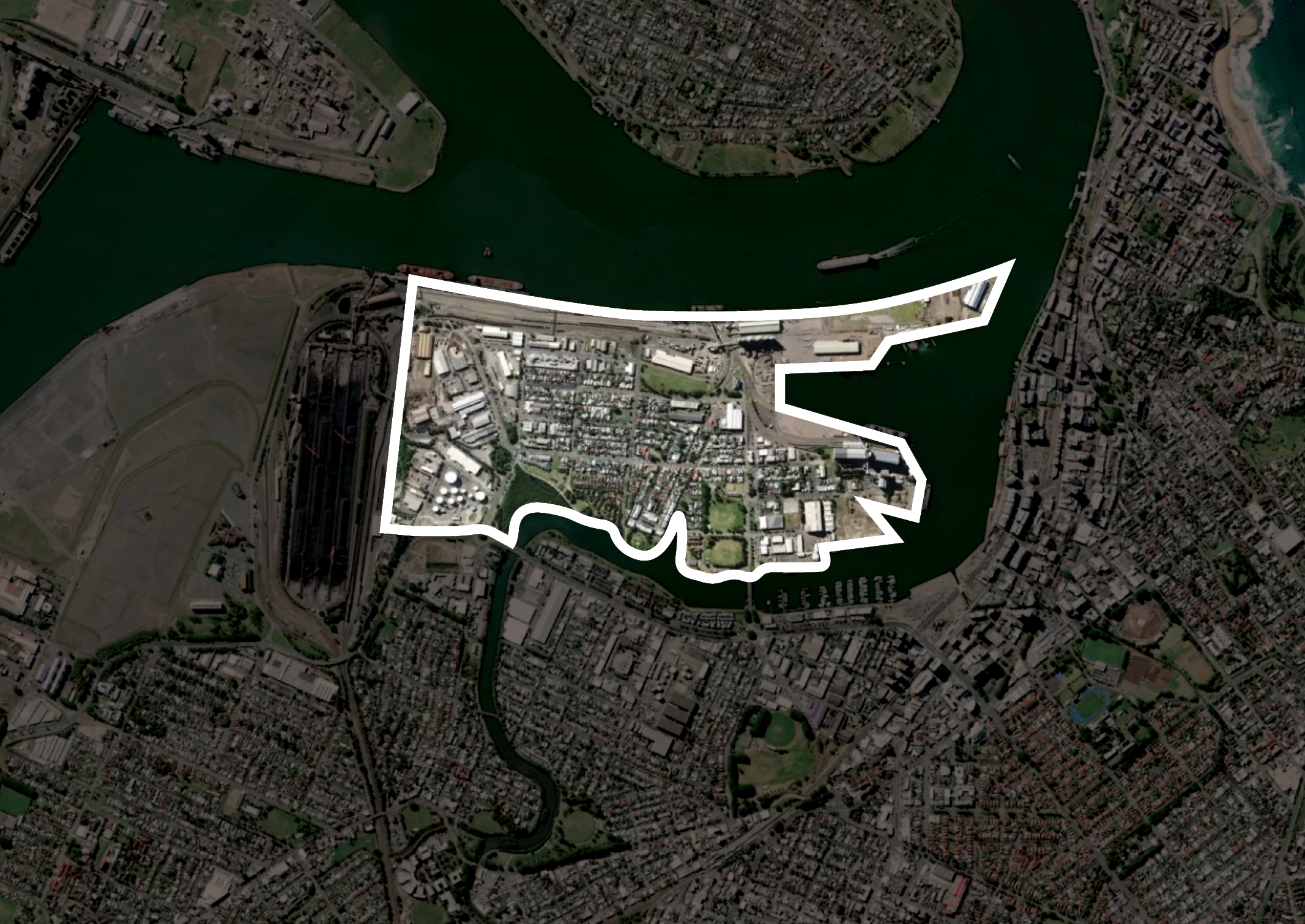
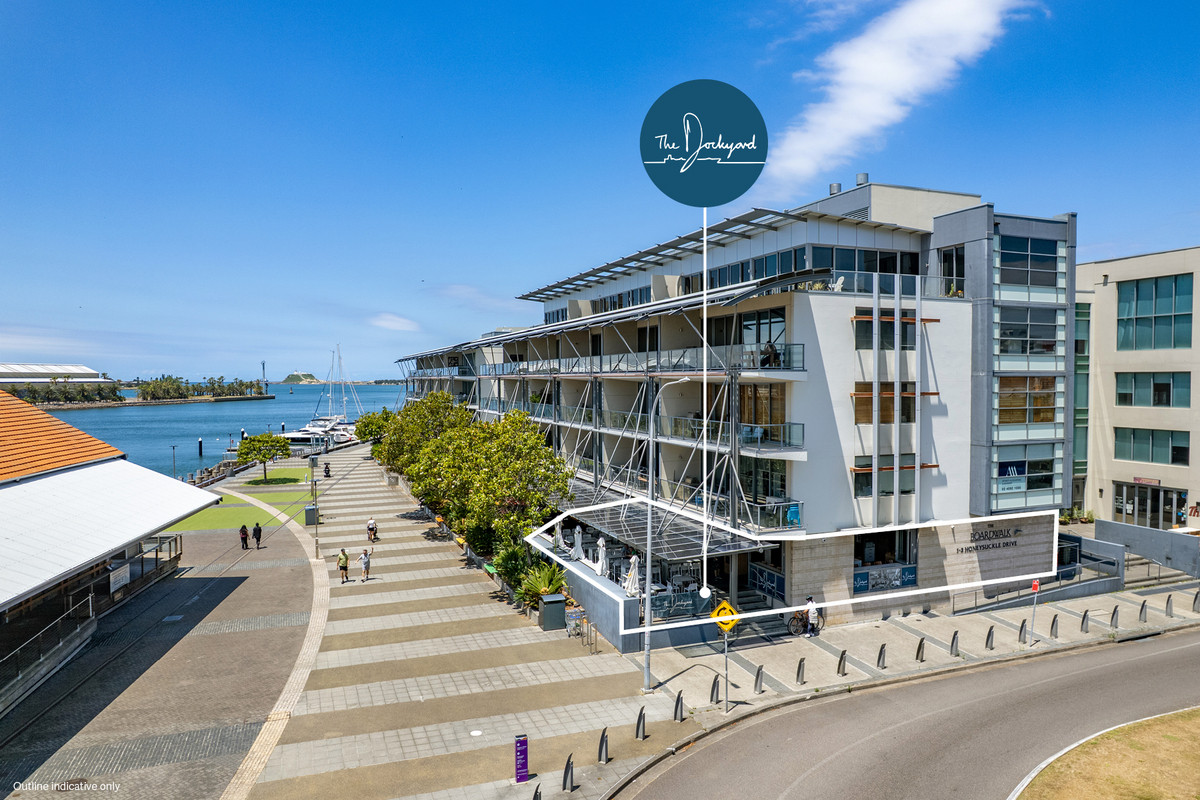
Newcastle and the Central Coast share many structural similarities, both regions are experiencing strong population growth, economic diversification and demand for renewed housing, commercial and industrial land. Where the differences start to present is in the timing of major infrastructure renewal. In Newcastle, the past decade has seen significant infrastructure and city-shaping projects delivered, including the light rail, CBD revitalisation and port expansion.
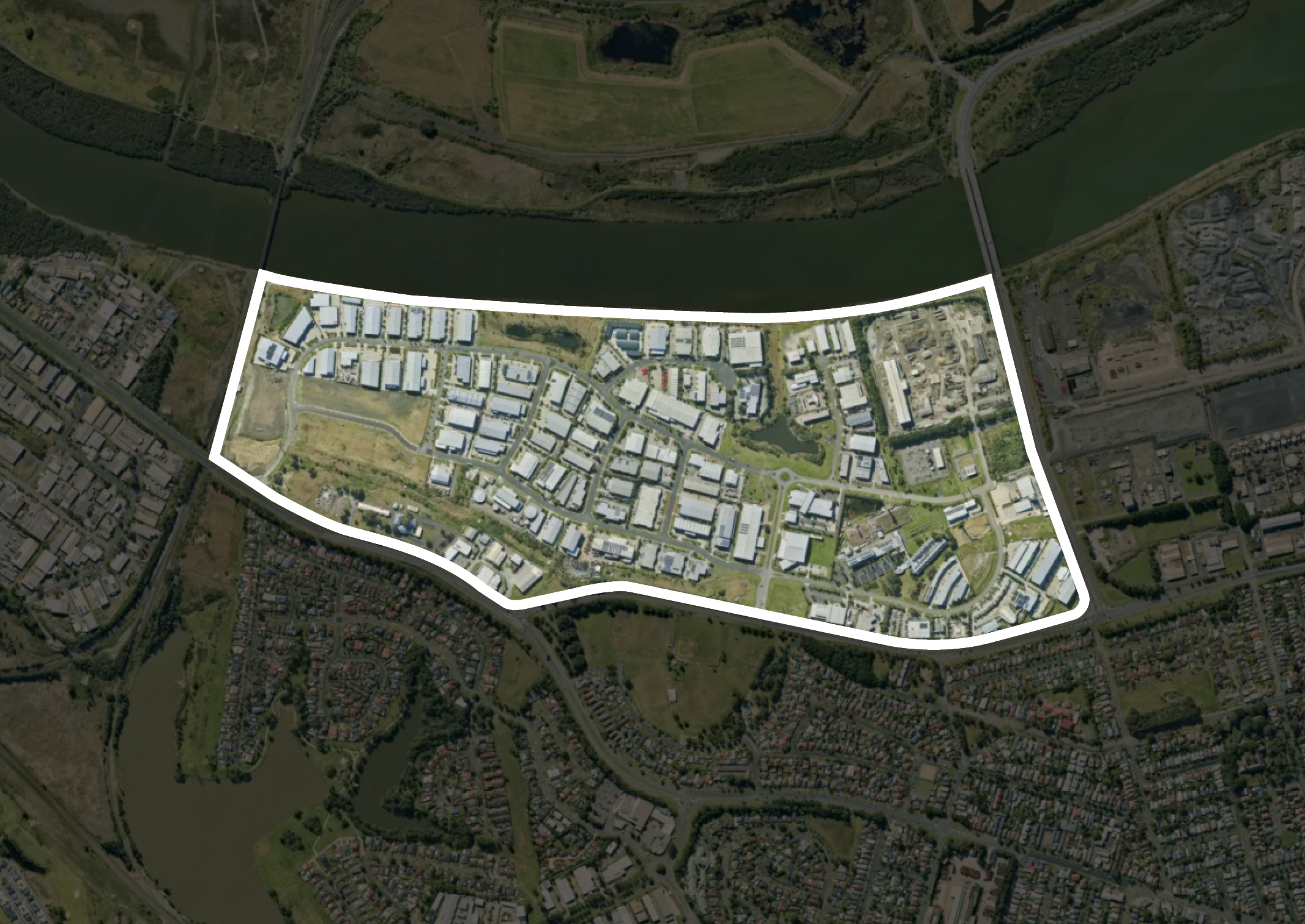
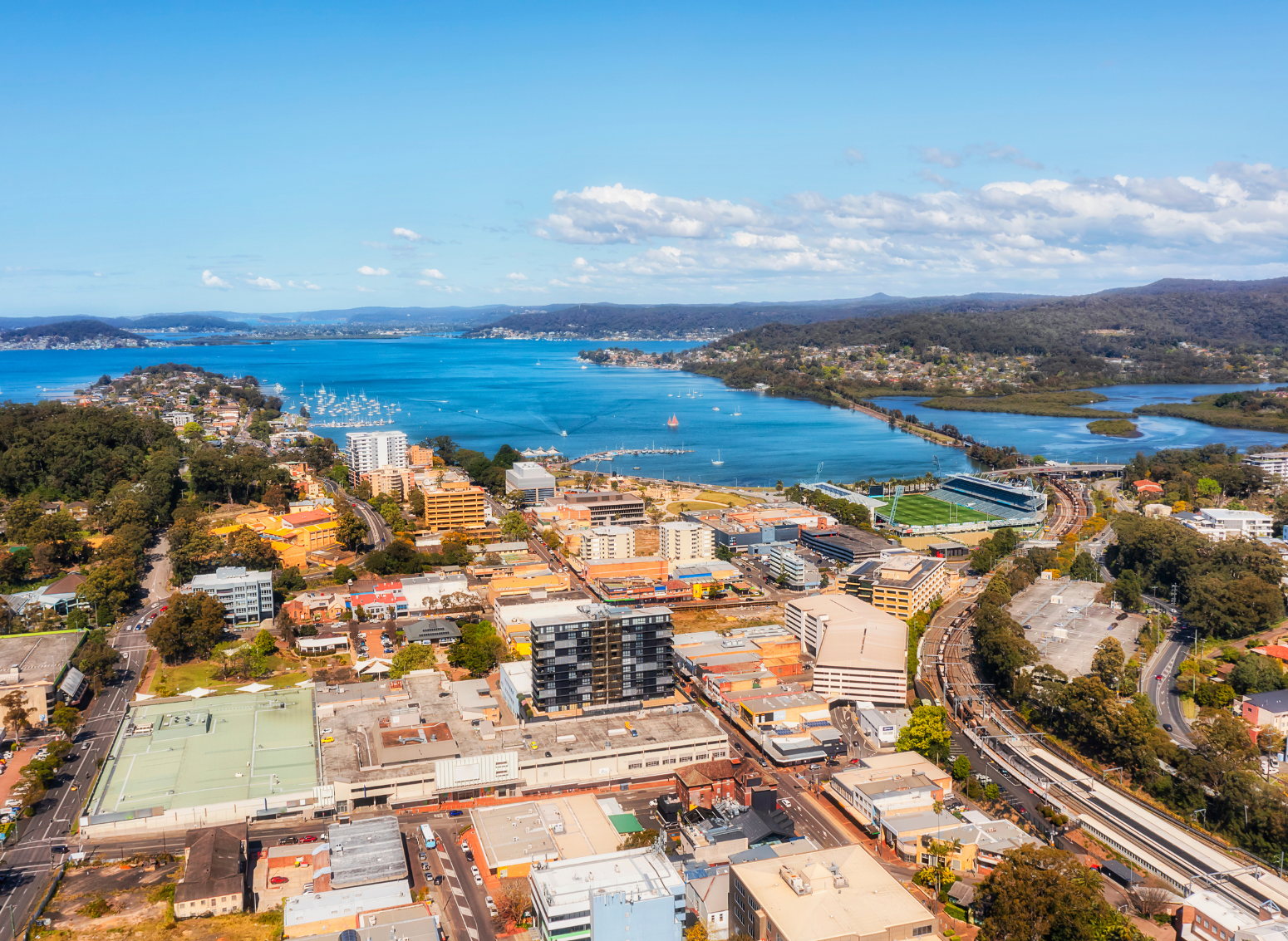
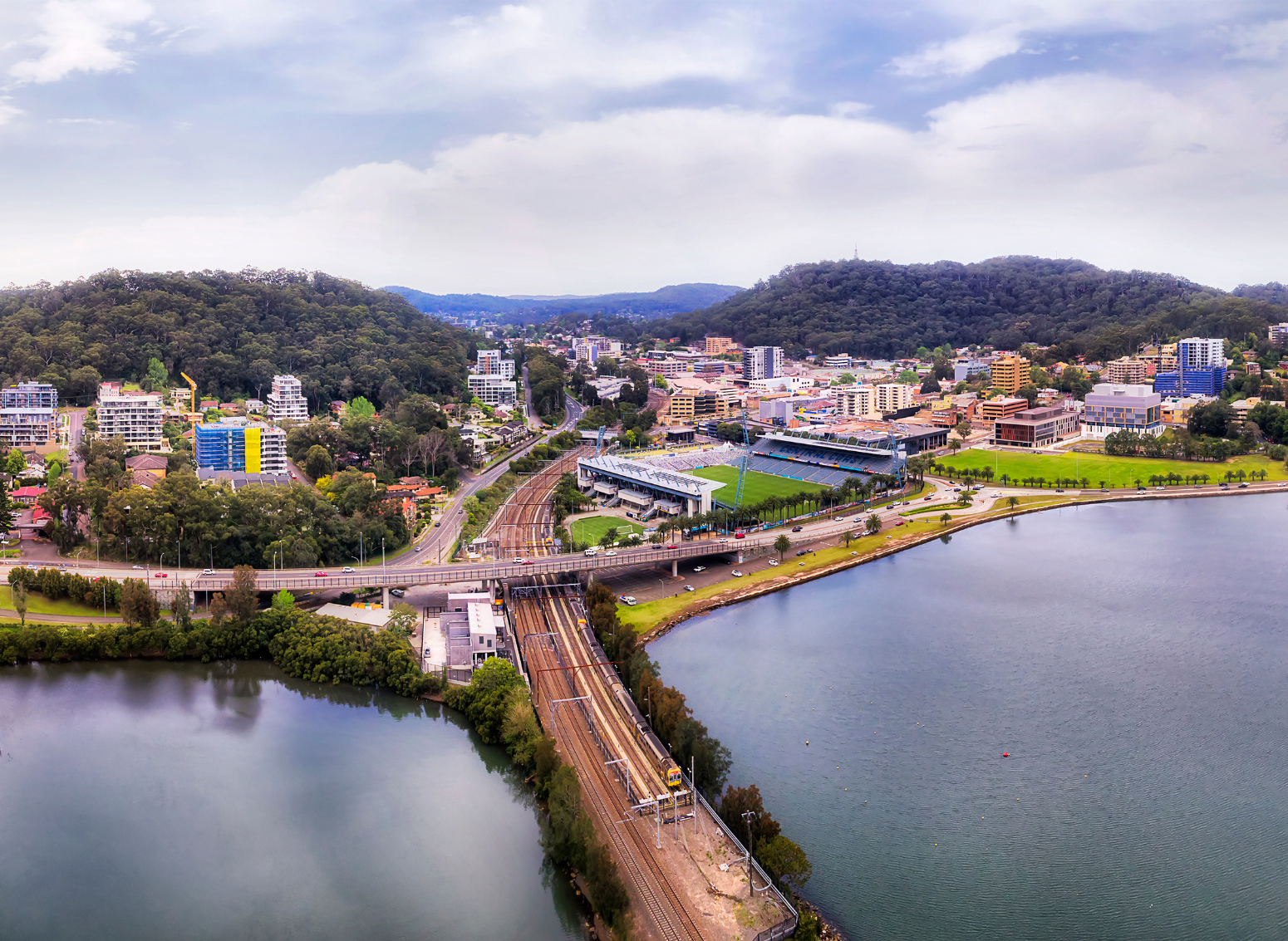
On the Central Coast, comparable initiatives are now underway, with the Gosford CBD revitalisation, Warnervale property development and Somersby industrial expansion set to guide the next phase of transformation (NSW Department of Planning and Environment, 2023). As the Coast prepares for a population of more than 400,000 by 2041 (Central Coast Council, 2024), the parallels with Newcastle’s journey are becoming clearer. Looking at how Newcastle has adapted to similar pressures offers practical insight into how Central Coast property markets may evolve.
Population growth, housing pressure and commercial demand
Like Newcastle, the Central Coast is managing population increases that are reshaping demand for housing, services and commercial space. The region’s estimated resident population reached around 355,000 in 2024 and is forecast to grow by more than 60,000 people between 2021 and 2046 (id Community, 2024). This uplift, combined with smaller average household sizes and an ageing population, translates into a requirement for thousands of additional dwellings and associated local services (Central Coast Council, 2024).
Crucially, the Central Coast already has more employed residents than local jobs, with about 141,000 local jobs compared to more than 178,000 employed residents (Central Coast Council, 2024). That imbalance explains the historical pattern of outbound commuting to Sydney and Newcastle – but it also points to a latent demand for more employment opportunities closer to home. As housing delivery accelerates in growth locations such as Warnervale and along key transport corridors, there is likely to be incremental demand for neighbourhood retail, health, education and employment floorspace (NSW Department of Planning and Environment, 2023; Central Coast Council, 2024).
For commercial investors, the lesson from Newcastle is that sustained population growth tends to concentrate demand in well-located, mixed-use centres with access to public transport and services. In Newcastle, suburbs benefiting from light rail and CBD investment have seen stronger absorption of higher quality office and retail space. On the Central Coast, a similar pattern is likely to emerge around Gosford, Tuggerah and selected town centres as population growth and service demand co-locate (NSW Department of Planning and Environment, 2023).
Infrastructure investment and the timing of renewal
Newcastle demonstrates how infrastructure investment can reshape a regional city. Light rail delivery, CBD upgrades, university expansion and port-related investment have elevated Newcastle’s commercial profile and underpinned private sector confidence, even as national office markets remain mixed (Property Council of Australia, 2025). The Central Coast is entering a comparable phase, though earlier in the cycle.
The Central Coast Regional Plan 2041 establishes Gosford as the primary strategic centre, supported by Somersby as a major industrial precinct and Greater Warnervale and Tuggerah as growing employment and housing areas (NSW Department of Planning and Environment, 2023). Local social and economic data reinforce the importance of aligning transport, health, education and employment infrastructure with these nodes (Central Coast Council, 2024). The sequencing of this infrastructure matters. In Newcastle, public investment effectively de-risked private development by improving certainty around transport access and public realm outcomes. For the Central Coast, there is a similar opportunity: as enabling infrastructure and servicing are delivered in Somersby, Warnervale and around Gosford, these locations are likely to attract a growing share of industrial, logistics and office demand (NSW Department of Planning and Environment, 2023).
For decision-makers, this implies that timing exposure ahead of, and alongside, infrastructure delivery – rather than waiting until projects are fully complete – may provide a more favourable risk–return balance. Sites that can demonstrate clear alignment with the Regional Plan’s nominated centres and corridors are likely to be best placed to capture uplift as infrastructure projects move from planning to delivery (NSW Department of Planning and Environment, 2023).
Commercial property trends and investor lessons
Newcastle demonstrates how regional markets can shift when demand concentrates in higher quality assets. CBD vacancy has tightened, with A-grade assets attracting the strongest tenant demand due to modern amenities, ESG credentials and better workplace environments (Property Council of Australia, 2025). Lower-grade buildings, by contrast, face increasing pressure for repositioning or adaptive reuse. A similar dynamic is likely to emerge on the Central Coast as new office and mixed-use projects come online in Gosford and surrounding precincts.
Assets with contemporary fitouts, strong amenity and proximity to health, education and transport infrastructure are expected to perform best (Central Coast Council, 2024). Industrial markets show the same pattern. Somersby, Warnervale and other designated employment areas are earmarked for expansion, with demand driven by logistics, advanced manufacturing and service-based industries. As servicing constraints are addressed and more land comes to market, the Coast has potential to capture industrial activity that might otherwise settle in Western Sydney or the Hunter (id Community, 2024).
Central Coast property market growth
The Central Coast is entering a phase that mirrors Newcastle’s recent growth story. Population uplift, infrastructure investment and lifestyle-driven migration are aligning to reshape the region’s property market. With gross regional product now around $20.8 billion and rising, diversification across health, education, industrial and knowledge-based sectors continues to strengthen economic foundations (id Community, 2024).
For investors and businesses, the opportunity lies in recognising these signals early. Newcastle shows that demand consolidates around well-connected centres and higher quality assets when infrastructure and policy direction align. On the Central Coast, this points to focusing on assets and locations that:
- Sit within or near nominated strategic centres and employment areas
- Align with transport and health infrastructure investment
- Meet evolving expectations for amenity, flexibility and sustainability
Acting ahead of full project delivery, while remaining disciplined on asset quality and location, is likely to be critical in positioning for long-term value in a market becoming increasingly competitive and strategically significant within New South Wales.